


Do electric cars lose range in cold weather?
Our team members here at Cochran Chevrolet are no strangers to Boardman’s cold winter months, and we’re sure you’re quite familiar with them as well. If you’re thinking about buying a vehicle, you may consider how cold weather can affect its performance. This detail may be especially important for shoppers who are interested in buying electric vehicles. Below, you can learn whether electric cars lose range in cold weather and how to get the most out of your EV purchase in a cold state.
Do Electric Cars Lose Range in Cold Weather?
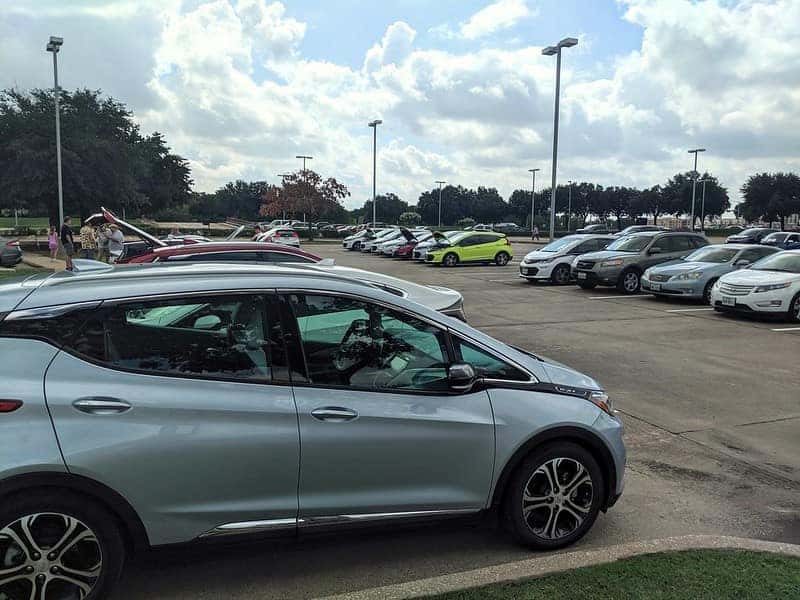
Yes, electric cars tend to lose range in cold weather. But it’s not fair to say that electric vehicles are the only ones that present issues in colder weather. Gas-powered vehicles also experience decreased performance.
The main reason that an electric car loses range in cold weather is that this vehicle uses its battery pack to warm up the cabin and its occupants. The consumption of this energy is damaging to a vehicle’s performance, as it’s energy that could’ve gone toward propelling the vehicle forward. It’s also worth noting that the chemical processes inside an electric car’s battery slow down significantly in cold weather, causing the vehicle to drive less efficiently. The chemical processes in the battery only slow down noticeably when temperatures are below zero degrees Fahrenheit, but you may still notice less-than-ideal performance.
What To Consider When Buying an Electric Vehicle
When you’re buying an electric vehicle and want to stick to a budget, you can prioritize the range your vehicle gets over all other features. Put the towing capacity, cargo space, or the number of seats at the back of your mind for now. You can especially forget about the flashy features like larger-than-life infotainment screens. Instead, consider how far you’ll need to drive reliably on a daily basis.
For example, consider that you have to travel 45 miles one way to work and 45 miles to come home. In a temperate, warm climate, it would be ideal for your vehicle to get a little over 100 miles on a single charge. This way, you can get to work and back home without having to worry about your vehicle dying when you’re almost home.
If you plan to drive regularly in cold weather, experts recommend that you double down on your vehicle’s range. Using the example above, imagine that you have to drive 90 miles total daily. If your electric car only gets around 100 miles per charge, you may not make it on one charge because the cold weather will make your vehicle work harder. Instead, it’s beneficial to get a vehicle that can travel closer to 200 miles per charge. With this doubled range, you won’t have to worry about stopping on the way home to charge your vehicle.
You may be able to forgo this rule if you know you’ll always have a reliable means of charging your vehicle once you get to work. For example, imagine that you purchase an electric car that only gets about 100 miles per charge. When you make your 45-mile trip to work, your vehicle might be close to dying. If you can charge it while at work, though, you’ll be able to safely make it home without stopping halfway home to wait at a charging station.
If you believe you’ll be driving less frequently each day, you can sacrifice driving range for other features. Be honest with yourself about how far you’ll be driving so you can continue to travel freely even during the coldest winter months.
What You Can Do as an Electric Car Owner
Even though you can’t control the weather outside, you can take some precautions to minimize the loss of range in your electric vehicle. For example, you can invest in a steering wheel heater. This affordable purchase can benefit you greatly in the long run. Upon turning on your electric car on a cold winter morning, you may notice your fingers heat up faster and you may find it easier to grip the steering wheel.
Because of this benefit, you may not have to crank your vehicle’s heater all the way up. As a result, your car battery won’t dedicate as much energy to heating up the entire cabin. You can also invest in seat warmers to further limit the amount of cabin heating your vehicle has to do.
Consider Your Charging Location
Another tip you can follow to reduce the loss of range in your electric car is to charge it thoughtfully. Most homeowners have a charging station inside their garage, but they may run the charging cord outside of the garage if their car doesn’t fit. We recommend you free up room in your garage so you can pull your vehicle in and let it charge under cover. This initiative removes your vehicle from the harshest, most frigid outdoor conditions.
Precondition Your Car While Charging
Before you leave the house each day, allow your vehicle to heat up while it’s still charging. This way, it’ll draw energy from the charging station rather than its battery to heat the cabin. Try to avoid letting your car sit idle while you’re waiting for it to heat up. You can use your vehicle’s preconditioning feature if it has one so your vehicle starts warming up at a preset time and temperature every day.
Improve Your Driving Habits
Some other tips you can follow include controlling your speed on the highway and limiting the amount of heavy braking in your vehicle. You can also limit aerodynamic drag by keeping your vehicle’s exterior free of decorations and check your tire pressure after particularly cold nights to ensure the levels are adequate.
If you understand an electric vehicle’s limits, it can still be a reliable mode of transportation no matter the temperature outside. Start shopping for a new electric vehicle at Cochran Chevrolet today. Whether you want a 2023 Chevrolet Bolt EV, a 2024 Chevy Blazer EV, or something in between, we’ll likely have something you’ll want to take home. Contact our team today to get in touch and let our team of professionals at #1 Cochran share their knowledge of EV’s with you.
2019-09-21_03-04-55 by Steve Rainwater is licensed with CC BY-SA 2.0
0 comment(s) so far on Do electric cars lose range in cold weather?