


Electric Vehicle Glossary: Every Term You Should Know Before Buying
The world seems to be transitioning from fossil fuel-powered vehicles to electric ones. This current automotive revolution makes it important for car buyers to familiarize themselves with all relevant and related terms before buying a new electric vehicle. Our team at Cochran Chevrolet in Youngstown, OH, has gathered some terms related to electric vehicles that you should learn before choosing your next automotive purchase.
Types of Vehicle Propulsion Systems
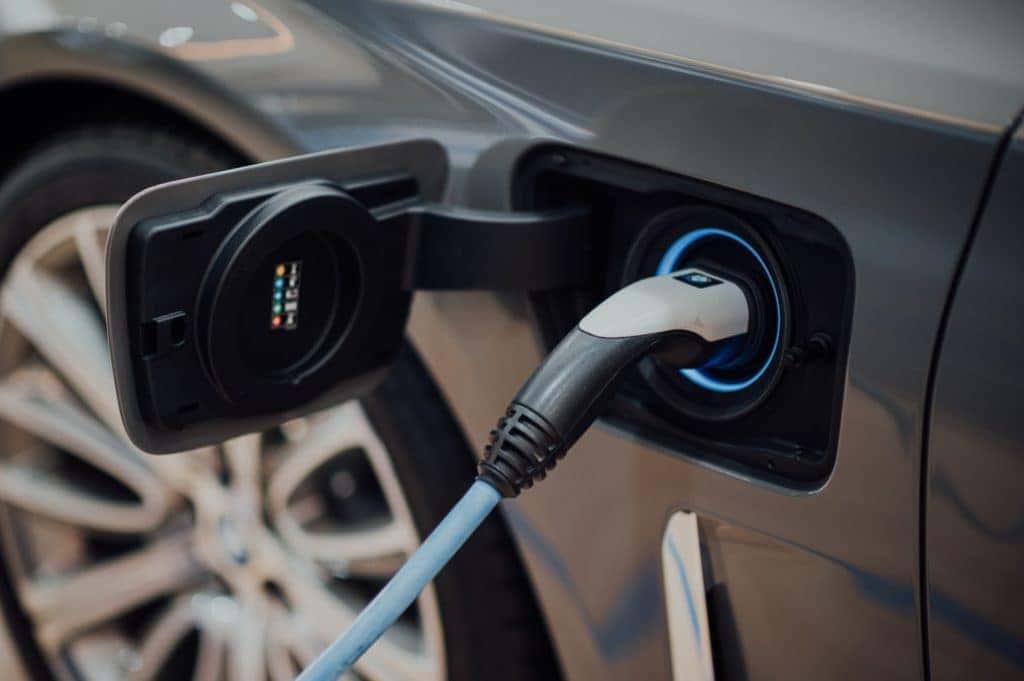
We begin with some often-used terms and acronyms that describe different types of vehicles based on how they’re powered:
- Internal combustion engine vehicle (ICEV): This is a classic gas-powered or diesel vehicle. Although it has an electric battery, its main role is to help start the internal combustion engine.
- Electric vehicle (EV): This is a general term that describes various types of vehicles that use electric motors.
- Hybrid electric vehicle (HEV): This is a combination of a classic fuel-powered engine and an electric motor. There are multiple variations of hybrid vehicles, most of which use electric power to reduce fuel consumption by assisting the gas-powered engine when accelerating or traveling at low speeds.
- Plug-in hybrid vehicle (PHEV): This type of vehicle is similar to a hybrid, but it has a bigger battery. This means that it’s capable of traveling for a few dozen miles on electric power alone, unlike the conventional hybrid that only uses its electric motor for short periods.
- Battery electric vehicle (BEV): Although this term may seem redundant, as all EVs use batteries, it’s useful because it solely refers to vehicles that get all their power from electric motors. Since the term EV also refers to hybrid, this is a welcome distinction.
- Fuel cell electric vehicle (FCEV): This type of vehicle is relatively uncommon now, but that may change in the future. It refers to an EV that uses hydrogen fuel cells to recharge its batteries.
Electrical and Mechanical Terms
While certain terms such as horsepower and torque may be familiar, others are relatively new to automotive enthusiasts without a passion for electricity. Some useful electrical and mechanical terms are the following:
- Volts (V): This measures the force of electric current going into an electric car’s batteries. The higher the voltage is on a charging station, the quicker it will recharge your electric car.
- Watts (W): This measures the power that your electric motor generates. One horsepower is equal to approximately 0.746 kilowatts, which is 746 watts.
- Kilowatt-hours (kWh): This is a measurement of electric power, expressed in kilowatts and sustained for one hour. It’s used to express the electric battery’s storage capacity.
- Alternating current (AC): A normal household power socket runs on this type of AC current. Its name comes from the fact that the electrons passing through the electrical wires reverses direction periodically.
- Direct current (DC): The kind of electricity that flows in a constant direction, which is the type of current that EVs use to propel themselves. Since electric car batteries are charged from AC-powered stations, they must convert AC power to DC when charging.
- Renewable energy: This refers to the source of electric current going into your electric car. It describes energy sources with unlimited supply, such as solar, wind, and hydroelectric power.
- Horsepower: This term is likely to be familiar to fuel-powered vehicle owners because it describes the vehicle’s power. While EVs are likely to use kW instead, some manufacturers also list their horsepower.
- Torque: This refers to the force that turns the vehicle’s tires in a circular motion. EVs usually have much higher torque than gas-powered vehicles because electric power is delivered all at once, unlike combustion-generated power, which gradually builds as you hit the gas pedal.
- Revolutions per minute (RPM): This describes the number of times the motor turns in a minute. Similar to torque, the fact that electric motors deliver all their power at once makes EV motors rotate at a much higher rate than combustion ones.
- Range: This is a crucial thing to look for when choosing your EV. It describes the number of miles that an EV can run on a single charge under normal driving conditions.
- Miles per gallon equivalent (MPGe): You can make the transition from gas-powered engines to electric motors smoother by calculating how much an EV can travel with 33.7 kWh, which is the equivalent of a gallon of gas in terms of energy produced. This can help you get a better understanding of how efficient an EV is, compared to gas-powered vehicles and other EVs.
EV Parts
These are some components found in EVs. Some are also common for gas-powered cars, while others can only be found on EVs:
- Motor: This is an EV’s main component. It manages to convert the electrical power stored in the car’s batteries into mechanical power by creating a rotating magnetic field that turns an axle connected to the car’s wheels.
- Battery: This is a medium of storage for electric power. It’s the EV equivalent of a gas tank, and its capacity determines how many miles you can travel before you need to recharge.
- Battery cell: EV batteries are usually large packs of smaller batteries called cells. Most EVs have thousands of cells that store power.
- Battery heating system: Keeping the EV’s battery pack at relatively high temperatures can keep them running optimally for many years and help them charge quicker. EVs usually have separate battery heating systems that ensure an optimal battery temperature in cold weather.
- On-board charger (OBC): EVs are usually fitted with a device that converts AC power to DC, allowing you to use regular power sockets to charge them.
- Range extender: Some EVs also have small gas-powered engines that help recharge their batteries. This can be useful in situations where you’re far away from a charger.
Although learning all these new terms may seem complicated at first, it’s important to know that EVs are far simpler than gas-powered vehicles. Visit us at Cochran Chevrolet in Youngstown, OH, and check out our extensive collection of EVs and hybrids. For all of your questions and concerns, let our team of professionals at #1 Cochran take care of you.
Image by CHUTTERSNAP is licensed with Unsplash license
0 comment(s) so far on Electric Vehicle Glossary: Every Term You Should Know Before Buying