


Why Do My Headlights or Dashboard Lights Flicker?
Your car’s flickering headlights and dashboard warning lamps might be driving you crazy. Aside from being irritating, they often signal deeper electrical problems within the vehicle. If your vehicle starts acting up this way, you may be understandably concerned, but don’t worry — we’ve got answers for you. Let’s get into what causes those pesky flickering lights, how to fix them, and ways to prevent them from coming back.
Common Causes of Flickering Lights in Vehicles
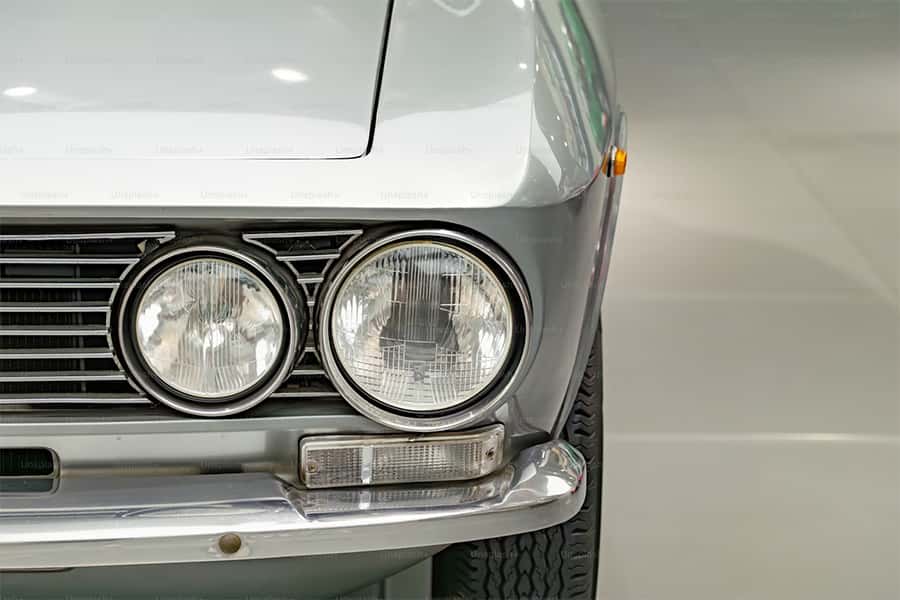
Image by laura adai is licensed with Unsplash+ License
Cars have their own quirky way of communicating. If your lights start flickering, it’s your vehicle’s way of telling you that something’s not right. While it might seem mysterious at first, there’s usually a handful of likely suspects behind this electrical light show, and knowing what they are helps you fix the problem faster.
Battery Issues
Loose or corroded battery terminals top the list of culprits. Your battery is the backbone of your car’s entire electrical system. Dirty or loose connections create resistance that disrupts power delivery.
Failing Alternator
The alternator is your car’s electrical workhouse. It keeps the battery charged and powers all the electronics while you drive. When it starts to fail, expect any of the following symptoms:
- Lights dimming or suddenly brightening
- Electrical accessories behaving unpredictably
- Battery warnings lighting up on the dash
The average car battery lasts about three to five years before needing replacement. Manufacturers suggest a new one every five years regardless of the current battery’s apparent condition.
Faulty Voltage Regulator
The voltage regulator controls how much power flows through your system. If it goes bad, you could see any number of symptoms, such as fluctuating headlights, battery issues, dashboard warning lights, or erratic engine behavior.
Wiring Problems
Frayed, damaged, or loose wires interrupt the smooth flow of electricity, causing those annoying flickers. Even one bad wire can cause inconsistent lighting or strange behavior in your electrical components.
Bad Switches or Bulbs
Sometimes the issue is simple. Worn-out headlight and dimmer switches can cause inconsistent output. And don’t forget the bulbs themselves — they could just be dying. If your car uses older incandescent or halogen bulbs, consider switching to LED lights. They use less electricity and last up to 50,000 hours compared to traditional bulbs that tap out after 1,000-15,000 hours.
Diagnosing and Solving Light Flickering Problems
Now that you understand why your lights might be flickering, let’s dive into how to fix it. You don’t need a mechanic’s degree — just a few basic tools, some patience, and a bit of know-how.
Inspect the Battery Terminals
Start by checking your battery connections. Corrosion buildup — often a crusty white or greenish residue — can block the electrical flow and cause flickering. To clean the battery terminals:
- Mix some baking soda with water to create a cleaning solution.
- Disconnect the battery — always remove the negative terminal first.
- Use an old toothbrush or wire brush to scrub away corrosion.
- Reconnect the terminals securely after cleaning.
Once the terminals are clean, use a multimeter to test the battery voltage. Healthy batteries read between 12.4 and 12.7 volts when the engine’s off. Anything lower indicates that your battery may need replacing.
Test the Alternator
Start your engine and check the voltage again. A good alternator bumps those numbers to between 13.5 and 14.5 volts. If the voltage doesn’t increase with the engine on, your alternator may be failing.
Inspect the Wiring and Ground Connections
Carefully inspect your car’s wiring for worn spots, loose connections, or frayed wires. And don’t skip the ground connections — they’re easy to overlook but super important.
Check Switches and Bulbs
If everything else checks out, the problem may lie in the headlight or dimmer switch. Also, examine your actual bulbs and LED modules. If they look like they’ve seen better days, swapping them out might fix your issue.
Know When To Ask for Help
Some electrical issues can get complicated, so don’t feel bad asking for help. You can call on a buddy who knows cars or trust a pro to handle it. If you’re near Youngstown, Ohio, our technicians at #1 Cochran Chevrolet can diagnose the source of your electrical issue and get you back on the road with confidence.
Preventive Measures To Avoid Future Flickering
Now that you’ve fixed the problem, let’s make sure it doesn’t come back. A bit of regular maintenance goes a long way, especially when it comes to electrical issues that could leave you stranded in the middle of nowhere.
Stay on Top of Basic Maintenance
Battery maintenance isn’t glamorous, but it’s necessary. Cleaning those terminals every few months takes only five minutes but saves hours of headaches. While you’ve got the hood open, take a quick peek at all your electrical connections. Tighten anything that seems loose. Look for any worn components you may need to have inspected or replaced. Keep your eyes and ears open for alternator warning signs too. If your battery light glows on the dashboard, your car struggles to start, or weird noises come from under the hood, your alternator might be signaling trouble.
Use Quality Parts and Plan Ahead
Cheap fixes often lead to repeat issues. Investing a little more up-front can save you serious trouble and cash down the road. For example:
- Choose high-quality replacement bulbs: They last longer and perform better than bargain options.
- Follow your car’s maintenance schedule: Catch little problems before they morph into wallet-draining nightmares.
- Replace your battery every three to five years: Batteries wear out, and age-related failures are common.
- Prepare for extreme weather: Northeast Ohio’s hot summers and cold winters can kill batteries prematurely. Before long trips or season changes, inspect your lights, tires, brakes, and wipers.
A little preparation beats being stuck on a deserted highway with no headlights.
Expert Solutions for Persistent Lighting Issues
If you’ve tried DIY fixes but your lights are still flickering, it’s time to get some help. Professional mechanics can test your entire electrical system. They use specialized equipment to accurately measure battery and alternator output, plus they can check voltage stability under different conditions. A good mechanic spots issues that would fly under the radar for most of us, saving you from bigger problems later.
Ignoring flickering lights isn’t just annoying; it can be dangerous. At best, you might end up with a dead battery. At worst, you’re facing a complete electrical failure while driving at night. And since electrical problems tend to spread to other system components, what starts as a minor issue often snowballs into major system damage requiring costly repairs. Getting your car checked by a trained technician can protect both your safety and your bank account.
Expert Solutions for Persistent Lighting Issues
Need expert help with those persistent electrical gremlins? Our team at #1 Cochran Chevrolet in Youngstown has the skills and tools to find and fix your vehicle’s electrical problems. Contact our service department today to schedule an appointment. One visit could mean the difference between reliable transportation and unexpected roadside drama.
0 comment(s) so far on Why Do My Headlights or Dashboard Lights Flicker?